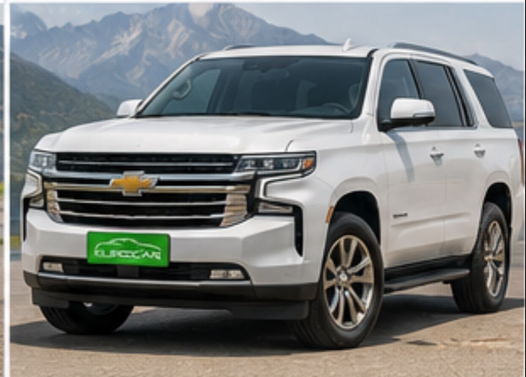
The most common thing we hear from customers who rented for just one or two days: "I didn't know you could do all that in a morning." Salalah has a reputation for being a destination that needs a week. That's only true if you're trying to see everything. If you're picking one direction and driving it properly, half a day is enough to see something genuinely worth the fuel.
These five drives are timed. They're matched to a car in our fleet. They all start and end in Salalah. And they're all designed to leave you back at your hotel before the afternoon heat fully kicks in.
The Blowhole Coast — West
Head west out of Salalah on the coastal road and keep driving until the road starts climbing into limestone cliff country. The Mughsail blowholes sit roughly 40 km from the city centre — when the Indian Ocean swell is running, columns of seawater force up through natural vents in the rock and shoot metres into the air. Arrive early before tour buses, walk the cliff path for 20 minutes, then take the mountain road switchbacks up above the cloud line for the view back down to the sea. You don't need a 4x4. The road is fully sealed and wide. The only thing you need to do is leave early enough to have the place to yourself.
The Springs Loop — North
Salalah sits on a plain below a ring of mountains, and somewhere up in those mountains fresh water is always moving. Ayn Razat and Ayn Tobruk are two natural springs about 35 km from the city, linked by a short loop road through green terraced rock. During and after the Khareef monsoon these run fast and loud; in the dry season they're quieter but no less beautiful. Do Ayn Razat first because it gets busier as the morning goes on, then double back through Ayn Tobruk on the way home. Pack a breakfast and eat it next to the water.
Mirbat & the East Coast
The coastal road east of Salalah runs for about 80 km before reaching Mirbat, a small fishing town with a 17th-century fort perched above the bay. The drive itself is the point — the road skirts the Arabian Sea, passes through Taqah village and its restored castle, and arrives in Mirbat just as the morning fish market is winding down. Get there before 9am if you want to see the boats coming in. The Sumhuram ruins near Taqah are a UNESCO site worth 30 minutes of your time. The whole route is flat, sealed coastal road and any car handles it.
Jabal Ittin & the Mountain Ridge
The mountain plateau above Salalah is where the city escapes to on weekend mornings, and most visitors never go because they don't know the road exists. The drive up to Jabal Ittin climbs through green hillsides when it's Khareef season and through mist-covered scrub at any other time of year. From the top you look out over the entire Salalah plain with the Arabian Sea behind it. Take a flask of coffee. You won't want to rush back down.
The Frankincense Trail — Wadi Dawkah
Most people who visit the Dhofar frankincense lands go to a souvenir shop in Al Haffa Souq and assume they've done it. Wadi Dawkah is the real version — a UNESCO World Heritage site about 55 km north of Salalah where wild Boswellia sacra trees grow in a protected valley, some of them hundreds of years old, still dripping resin the way they did when Dhofar supplied half the ancient world's incense trade. The site is quiet, the road is sealed, and the drive through the scrubland approaching it is one of the better half-hours of desert driving in the region.
Practicalities for Short Drives
Fuel
Every drive on this list is short enough that you can complete it comfortably on a tank that was half full when you started. Fill up anyway before you go — partly for the peace of mind, partly because the city petrol stations are on your way out of town and the mountain ones aren't.
Timing
The times above are real and include comfort stops. If you sleep in by an hour, adjust the plan rather than rushing — midday sun at Mughsail is significantly less pleasant than 9am sun at Mughsail.
Which car to grab
Drives 01 through 03 and 05 work in absolutely anything. Drive 04 (Jabal Ittin) is fine in a crossover or SUV if you want flexibility on the upper tracks. None of these routes require a proper 4x4 — save that for when you're heading further off the grid.